Travel magazine › Destination
Rome: getting there, neighbourhoods, sights and money-saving tips
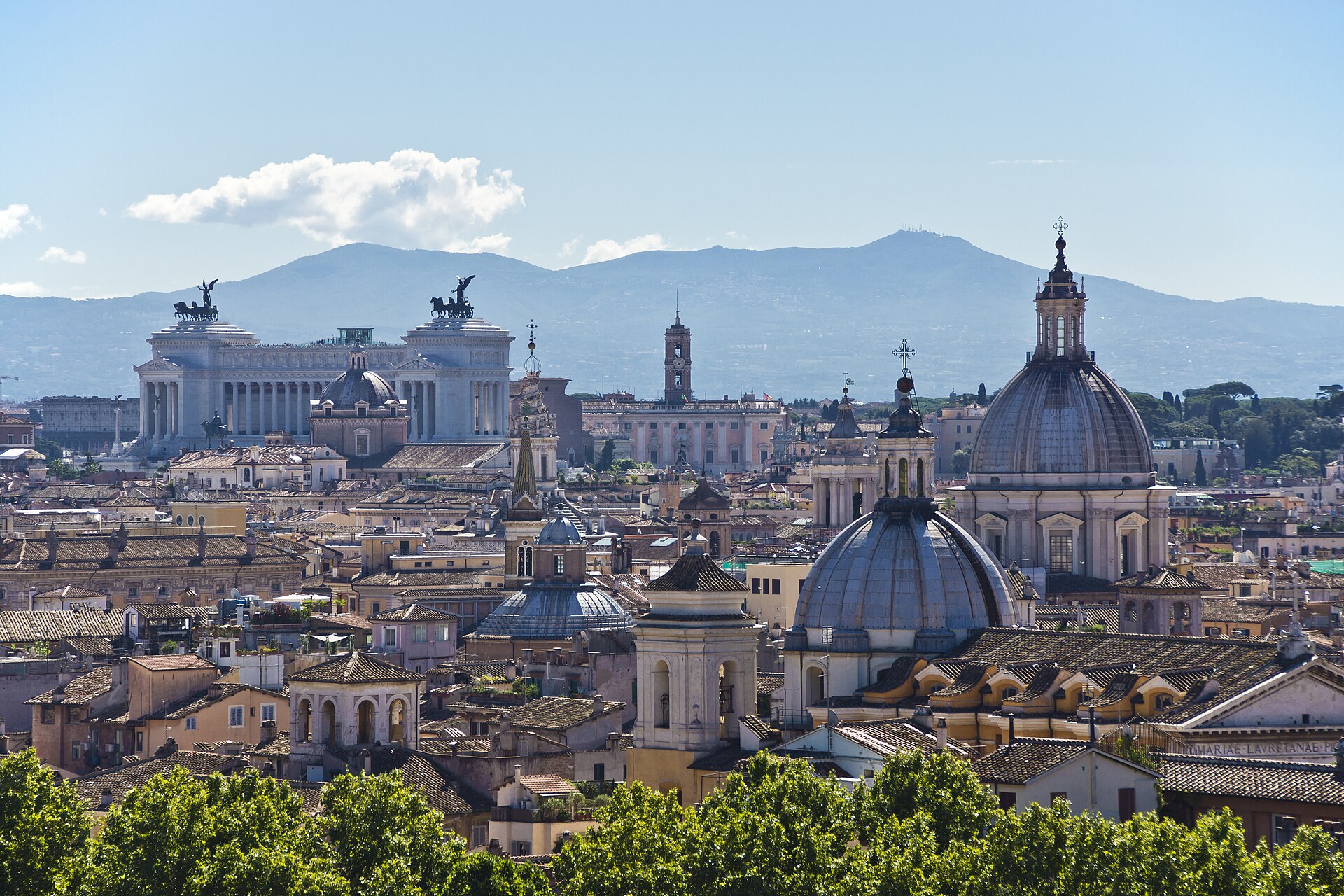
In Rome, 2,000 years of history wait on almost every corner – from the Colosseum to St Peter's. Booking the big sights in advance saves hours on the spot.
From the airport into the city
- Fiumicino (FCO): the Leonardo Express runs non-stop to Termini station. The cheaper FL1 regional train stops at Trastevere among others.
- Ciampino (CIA): many low-cost airlines land here. There is no station at the terminal – buses go directly to Termini, or take a bus to Ciampino station and continue by train.
- Buy or validate train tickets before boarding; inspections are frequent.
Getting around
The metro has only a few lines but covers Termini, the Colosseum, the Spanish Steps and the Vatican. You can tap in at the metro with a contactless bank card. The historic centre is best explored on foot.
Neighbourhoods
- Centro Storico: Around the Pantheon, Piazza Navona and Campo de' Fiori – the heart of the old town.
- Trastevere: Cobblestones, ivy and plenty of trattorias across the Tiber.
- Monti: A small, lively district right next to the Colosseum.
- Testaccio: A former working-class area known for its market hall and Roman cooking.
- Prati: A quieter district near the Vatican, often a bit cheaper to stay in.
Sights
- Colosseum, Roman Forum and Palatine Hill: One combined ticket covers all three. Timed entry – book online in advance via the official site.
- Vatican Museums and Sistine Chapel: Reserve in advance. St Peter's Basilica itself is free, but the security check can take a while.
- Pantheon: Since 2023 there is a small entry fee. Mornings are quietest.
- Trevi Fountain: Most pleasant early in the morning or late in the evening.
- Spanish Steps: Please don't sit on the steps – it is forbidden and enforced.
How to save money
- On the first Sunday of the month many state museums and archaeological sites are free (“Domenica al museo”) – but very busy.
- Drinking water is free from the many public fountains (“nasoni”) – bring a bottle.
- Coffee standing at the bar is cheaper than at a table.
- A city tax is charged per night, usually paid at the hotel.
Best time to visit
April, May, September and October are best: warm but not oppressively hot. July and August are very hot; winter is mild, quieter and cheaper.
Current flight prices to Rome
- From Catania: from €15
- From Bordeaux: from €60
- Torino → Roma a dicembre: voli da 20 €
- Rzym, grudzień: kiedy lot z lotniska Warszawa jest najtańszy
- Bilbao → Roma: los mejores días de diciembre
✈️ Search flights to Rome in the app
Passport, ID card or visa? Check it in the app's entry check.
Entry, visa and health: please check the current advice before booking – Auswärtiges Amt.
Texts as of 11 November 2026. Lines, rules and opening hours can change – check the official websites before you travel. We deliberately don't quote prices here because they change all the time.